
Robotic Forging System
Upgrade your manufacturing with our Robotic Forging System, delivering unmatched precision, speed, and consistency. Moreover, automation reduces errors, enhances safety, and maximizes productivity across heavy forging operations. Experience smarter, faster, and cost-efficient forging — transform your production today!
Robotic Forging System
A Robotic Forging System is an advanced automation solution designed to enhance the precision, speed, and efficiency of metal forging processes. By integrating robotic arms with forging machinery, it ensures consistent shaping of components while minimizing human error. Moreover, this technology improves workplace safety by reducing direct manual intervention in high-temperature operations. Consequently, manufacturers can achieve higher production rates, superior product quality, and reduced material waste. In addition, the system is adaptable to a wide range of metals and forging techniques, making it suitable for automotive, aerospace, heavy engineering, and industrial applications. With its combination of accuracy, reliability, and efficiency, a Robotic Forging System is transforming modern forging operations and helping businesses stay competitive in the industrial landscape.
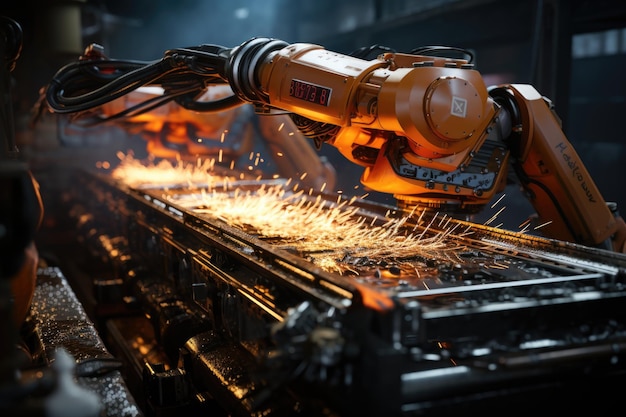
Robotic Forging System Technology
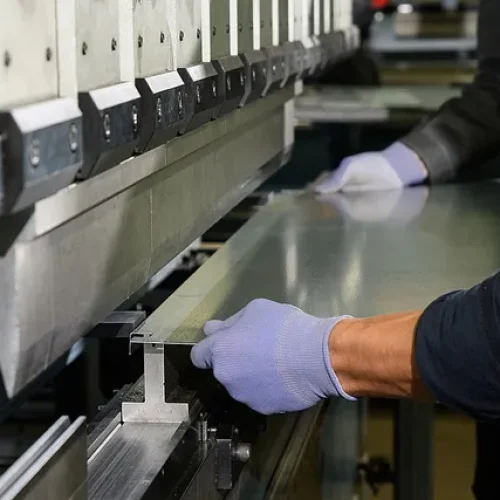
Robotic metal forging system technology represents the next level of automated metal forming, combining precision, speed, and reliability in industrial forging operations. By integrating advanced robotics with forging presses, it ensures consistent shaping of components while significantly reducing human error. Moreover, this technology enhances workplace safety by limiting manual handling of high-temperature materials and heavy parts. Consequently, manufacturers benefit from higher production efficiency, improved product quality, and minimized material waste. In addition, Robotic Forging Technology is highly versatile, capable of handling various metals and complex forging designs, making it suitable for industries such as automotive, aerospace, heavy engineering, and industrial manufacturing. Overall, this technology empowers businesses to achieve greater operational efficiency, cost-effectiveness, and competitiveness in today’s fast-paced industrial environment.
Robotic Intelligent Automation in Robotic Forging Systems
Billet Handling & Feeding
Robotic systems ensure precise and automated billet handling and feeding into the forging line. Moreover, they maintain consistent positioning, reducing manual intervention and improving production flow.
Hot Billet Extraction from Furnace
Automated robots safely extract hot billets from the furnace with high accuracy. In addition, they minimize operator exposure to extreme temperatures, enhancing workplace safety.
Press Tending & Loading into Forging Press
Robots efficiently load billets into the forging press with exact alignment. Consequently, they improve cycle times and ensure uniform forging quality.
Forged Part Removal
After forging, robotic arms remove hot components quickly and safely. Furthermore, this reduces downtime while maintaining smooth production continuity.
Trimming Press Loading & Flash Removal Handling
Robotic automation manages trimming press loading and flash removal with precision. Additionally, it ensures consistent finishing quality and reduces material waste.
Hot Part Cooling Line Automation
Robots seamlessly transfer forged parts to cooling lines for controlled temperature reduction. As a result, product integrity is maintained while optimizing overall workflow efficiency.
Robotic Forging System Application's
Automotive Industry
The automotive and auto-component industry produces a large volume of forged parts, making it one of the most suitable sectors for robotic forging and foundry automation solutions. Automation improves productivity, precision, and safety in high-volume manufacturing environments. Common components produced using robotic forging cells include crankshafts, connecting rods, gear blanks, transmission shafts, axle shafts, steering knuckles, wheel hubs, differential gears, camshafts, and universal joint yokes, making this industry highly compatible with advanced robotic forging cells.
Heavy Engineering Industry
The construction and heavy equipment industry requires durable, high-strength forged components used in machines from manufacturers such as JCB, Tata Hitachi, Hyundai, and Caterpillar. Robotic forging and foundry automation solutions help improve production efficiency, precision, and worker safety while handling heavy parts. These systems are commonly used in manufacturing components such as excavator bucket teeth, track links, track pins and bushings, loader arms, rock breaker chisels, dozer blade mounting parts, and hydraulic cylinder rods.
Defense & Ordinance
The defense and ordnance sector requires high-strength components with strict quality control and traceability standards. Robotic forging and foundry automation solutions help ensure precision, consistency, and safety in manufacturing critical components. These systems are commonly used for producing parts such as gun barrel pre-forms, missile casing forged rings, tank track components, armor support brackets, and heavy-duty fasteners.
Oil & Gas Industry
The oil, gas, and energy sector requires high-strength components that can withstand extreme pressure and high-temperature conditions. Robotic forging and foundry automation solutions help improve efficiency, precision, and safety in heavy-duty manufacturing environments. These systems are commonly used in the production of components such as valve bodies, flanges, pipe fittings, drilling tools, compressor shafts, turbine discs, and heavy-duty fasteners like bolts and studs.
Railways & Transport
The railways and metro sector requires highly durable and safety-critical forged components used in train systems and infrastructure. Robotic forging and foundry automation solutions help improve precision, productivity, and safety by automating heavy material handling and manufacturing processes. These systems are commonly used for components such as railway axles, wheel hubs, couplers, draw hooks, suspension links, and brake components.
Oil, Gas & Energy Sector
The oil, gas, and energy sector requires high-strength components capable of withstanding extreme pressure and high-temperature environments. Robotic forging and foundry automation solutions help improve productivity, precision, and worker safety by automating heavy material handling and manufacturing processes. These systems are commonly used for components such as valve bodies, flanges, pipe fittings, drilling tools, compressor shafts, turbine discs, and heavy-duty fasteners like bolts and studs.
Benefits of Robotic Forging System
Enhanced Precision and Consistency
Robotic Forging Systems ensure highly accurate and repeatable forging processes. Moreover, automation eliminates human variability, delivering consistent component quality across high-volume production runs.
Increased Production Efficiency
By integrating robotics with forging presses, manufacturers can significantly reduce cycle times. In addition, automated handling speeds up operations while maintaining uniform output.
Improved Workplace Safety
Since forging involves high temperatures and heavy materials, robotic systems minimize direct human intervention. Consequently, the risk of workplace injuries is greatly reduced.
Reduced Material Waste
Robotic precision optimizes material usage during forging. Furthermore, consistent process control decreases rework and scrap rates, improving overall cost efficiency.
Cost-Effective Long-Term Operations
Although the initial investment may be higher, robotic forging lowers labor costs and enhances productivity over time. As a result, businesses achieve better ROI and sustainable manufacturing performance.
Frequently Asked Questions FAQ
What is a Robotic Forging System?
A Robotic Forging System is an automated solution that integrates industrial robots with forging presses to handle, position, and shape metal components. Moreover, it ensures consistent quality, improved safety, and higher production efficiency.
How does a Robotic Forging System improve productivity?
By automating material handling and forging operations, the system reduces cycle times and manual errors. Consequently, manufacturers achieve faster production rates and consistent output quality.
Which industries benefit from Robotic Forging Systems?
Industries such as automotive, heavy engineering, oil & gas, railways, shipbuilding, and infrastructure benefit greatly. In addition, any sector requiring durable and high-precision forged components can leverage this technology.
Is Robotic Forging suitable for heavy and complex components?
Yes, robotic systems are designed to handle large, heavy, and complex metal parts. Furthermore, they maintain accuracy and stability even under high-temperature forging conditions.
What are the key advantages of investing in a Robotic Forging System?
Key advantages include enhanced precision, improved safety, reduced material waste, and long-term cost savings. As a result, businesses gain better ROI and competitive manufacturing capabilities.