
Robotic Spot Welding System
Looking for Robotic Spot Welding System that deliver speed, precision, and flawless results? Our advanced robots ensure consistent, strong welds while boosting efficiency and cutting costs. From automotive frames to high-volume sheet metal assemblies, we guarantee accuracy with zero compromise. Ready to upgrade? Contact us now and automate with confidence!
Robotic Spot Welding
Robotic Spot Welding System provide precise, high-speed, and reliable metal joining solutions across automotive, electronics, and heavy manufacturing industries. Utilizing intelligent welding robots and automated spot welding systems, these services ensure consistent weld quality, minimal distortion, and optimized production efficiency. Ideal for sheet metals, frames, and structural components, robotic spot welding enhances throughput, reduces labor costs, and delivers durable, high-strength welds every time.
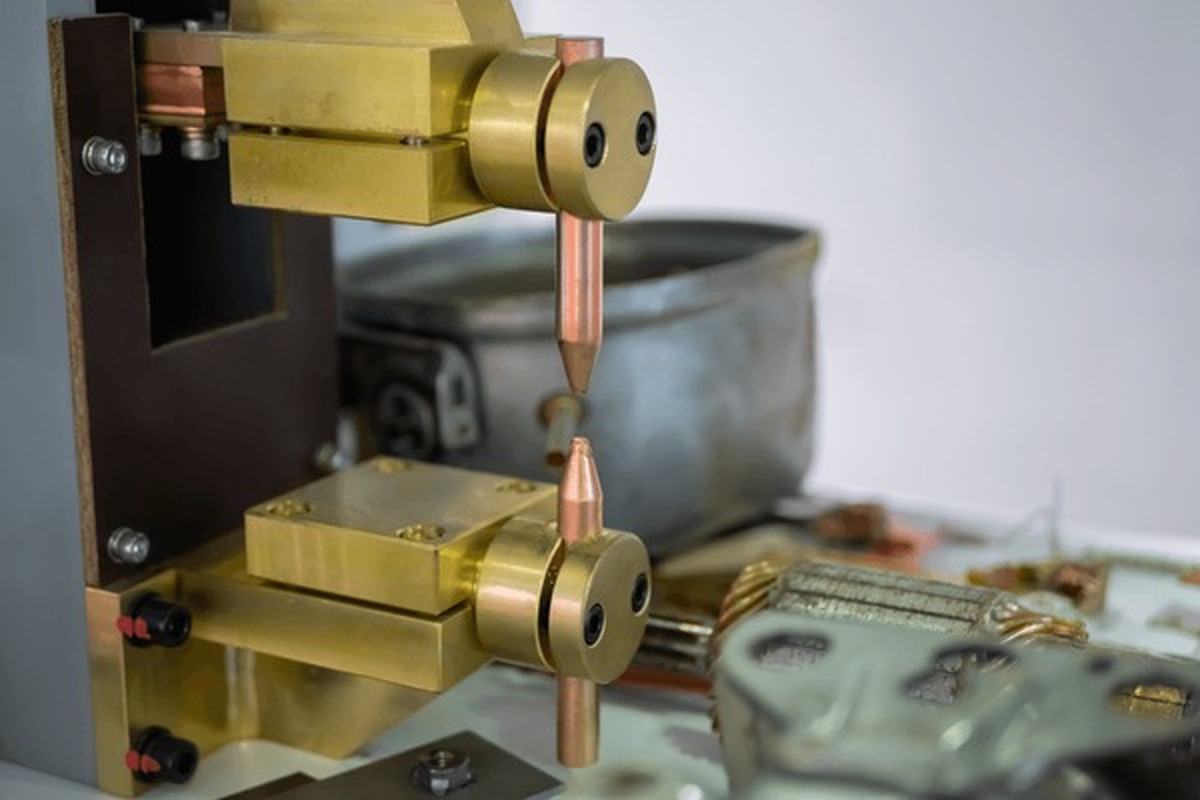
Robotic Spot Welding System Application's
Automotive & Defence Industry
In the automotive industry, spot welding is the most widely used welding process for assembling sheet-metal structures in high-volume production lines. It is extensively used in Body-in-White (BIW) structures, including car doors, roofs, A/B/C pillars, floor panels, cross members, EV battery enclosures, and seat structures. Due to its speed, consistency, and suitability for robotic automation, the automotive sector is the highest volume user of spot welding globally.
In the defence sector, spot welding is used for assembling sheet-metal components in armored and support systems. Typical applications include armored vehicle body panels, internal frames and brackets, shielding enclosures, and electronics racks. In many defence manufacturing processes, spot welding is often combined with seam welding and MIG welding to achieve higher structural strength and durability.
Heavy Engineering Industry
In the heavy fabrication industry, spot welding is commonly used in robotic production lines for assembling and positioning sheet-metal components before final welding processes such as MIG or SAW. It is typically applied for joining sheet-metal sub-assemblies, positioning brackets, stiffeners and gussets, and assembling machine covers, guards, and structural panels made from medium-thickness sheets (2–6 mm). Spot welding also replaces manual tack welding by providing temporary holding welds that maintain alignment before heavy welding operations. This process helps improve production speed, ensures better dimensional control, and reduces heat distortion, making it suitable for automated fabrication environments.
Construction Equipment Industry
In the construction equipment industry, spot welding is widely used for assembling sheet-metal structures used in machine cabins and body panels. From a shop-floor automation perspective, robotic spot welding helps join medium-thickness sheet metal components quickly and accurately before painting or final assembly. It is commonly used in the manufacturing of excavator, loader, and crane cabins, operator floor and roof panels, doors, hoods, engine covers, seat frames, dashboard structures, and sheet-metal subframes. These welded assemblies are typically used in machines such as excavators, backhoe loaders, wheel loaders, cranes, and aerial work platforms, where consistent quality, structural strength, and fast production are required.
Agriculture Equipment Industry
In the agriculture equipment industry, spot welding is commonly used for assembling sheet-metal components that form the outer body and protective structures of machines. From a shop-floor automation perspective, robotic spot welding helps join panels quickly while maintaining consistent alignment before painting or final assembly. It is typically used for tractor body panels and covers, engine hoods and side panels, tool boxes, battery boxes, operator cabins and roofs, and sheet-metal guards and shields. These welded assemblies are widely used in agricultural machines such as tractors, harvesters, seed drills, and sprayers, where durable yet cost-efficient sheet-metal fabrication is required.
White Goods & Electronic Appliances
In the consumer appliances and electronics industry, spot welding is widely used for joining thin sheet-metal components in high-volume manufacturing lines. Robotic spot welding enables fast, consistent, and precise assembly of parts such as washing machine outer bodies, refrigerator cabinets and rear panels, microwave oven chassis, air-conditioner indoor and outdoor units, and electrical control cabinets. The process is ideal for thin sheet metal ranging from 0.6–1.2 mm, allowing high-speed, fully automated production while maintaining excellent surface finish and minimal distortion, which is essential for consumer-facing products.
PEB (Pre-Engineered Buildings)
In the PEB (Pre-Engineered Buildings) industry, spot welding is commonly used for assembling light and medium-thickness sheet-metal components used in structural and support systems. It is applied in the fabrication of secondary steel members such as purlins and girts, sheet-metal cladding supports, cable trays, ladder trays, electrical and HVAC duct supports, and light steel frames and panels. From a shop-floor perspective, spot welding plays an important role in pre-assembly and fixture welding, helping manufacturers achieve faster fabrication cycles and reduced costs compared to continuous welding, while maintaining proper alignment and structural stability.
Benefits of Robotic Spot Welding
Superior Speed & Consistency
Robots never slow down, lose focus, or make errors — delivering consistent welds 24/7 with unmatched repeatability.
Higher Weld Quality & Zero Defects
Expect perfect bead placement, stronger joints, reduced spatter, and minimal rework — ensuring premium welding output every time.
Reduced Labor Costs & Maximum ROI
Replace repetitive manual labor with high-performance industrial robots that cut downtime, scrap, and operational cost.
Improved Worker Safety
Robotic welding removes humans from hazardous fumes, high heat, and repetitive strain — creating a safer, smarter workplace.
Faster Production Cycles & Scalability
Scale production instantly without additional manpower — ideal for mass manufacturing, automotive, and high-demand fabrication.
Frequently Asked Questions FAQ
What is a Robotic Foundry Automation SolutionsSystem?
A Robotic Foundry Automation System (FAS) is an integrated solution that uses industrial robots and smart controls to automate casting processes such as pouring, mold handling, grinding, and inspection.
How does robotic automation improve foundry safety?
Robotic systems handle high-temperature and hazardous tasks like molten metal pouring and casting extraction, significantly reducing worker exposure to dangerous environments.
Can Robotic Foundry Automation Solutionsbe integrated with existing foundry setups?
Yes, robotic FAS solutions can be customized and integrated with existing equipment, machines, and production lines to enhance efficiency without major infrastructure changes.
What industries benefit from Robotic Foundry Automation Solutions systems?
Industries such as automotive, heavy engineering, aerospace, machinery manufacturing, and metal casting facilities benefit from improved productivity, precision, and safety.
Is Robotic Foundry Automation cost-effective?
Although the initial investment may be higher, robotic automation reduces labor costs, minimizes defects, increases production output, and delivers long-term return on investment.