
Welding & Cutting Solutions (WCS)

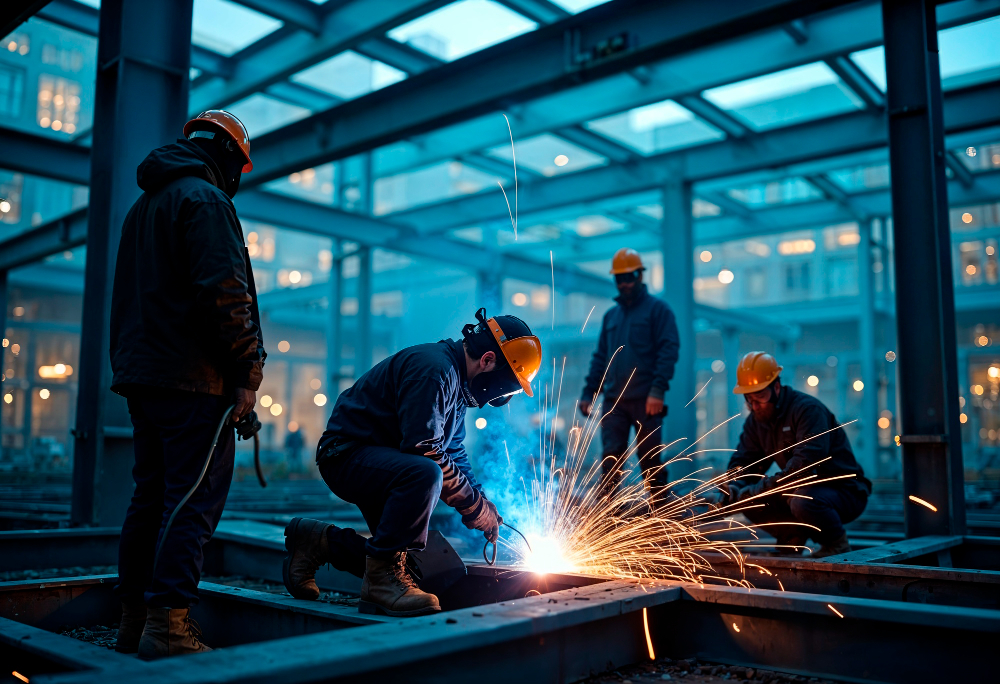
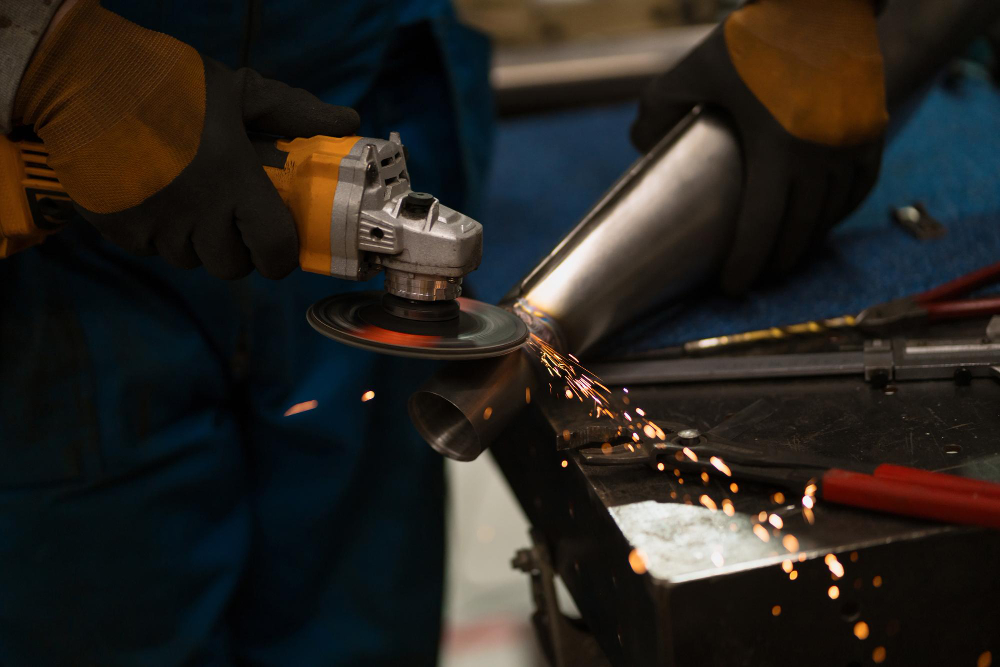
Automation-driven welding and cutting solutions enhance precision, speed, and safety across manufacturing processes. By integrating robotics, CNC machinery, and advanced control systems, industries can achieve consistent quality, minimize manual errors, and significantly improve overall productivity.

Robotic Applications

Welding & Cutting Solutions

Automation-driven welding and cutting solutions enhance precision, speed, and safety across manufacturing processes. By integrating robotics, CNC machinery, and advanced control systems, industries can achieve consistent quality, minimize manual errors, and significantly improve overall productivity. Automation-driven welding and cutting solutions enhance precision, speed, and safety across manufacturing processes. By integrating robotics, CNC machinery, and advanced control systems, industries can achieve consistent quality, minimize manual errors, and significantly improve overall productivity.

2151933424

Modern Welding & Cutting Technologies

8153

MIG Welding (Metal Inert Gas)

MIG Welding uses a continuously fed wire electrode and an inert shielding gas to produce stable, clean welds. It is known for its high welding speed, minimal spatter, and smooth finishes.

2554

MAG Welding (Metal Active Gas)

MAG Welding is similar to MIG but uses active gases, making it particularly effective for welding steel and structural materials. It provides deeper penetration and strong, durable weld joints for heavy

8137

TIG (Tungsten Inert Gas Welding)

TIG Welding uses a non-consumable tungsten electrode to create precise and high-quality welds. It is ideal for welding stainless steel, aluminum, and thin materials where accuracy is critical.

Spot (Resistance) Welding

Spot Welding joins two metal sheets using the heat generated from electrical resistance between electrodes. It is a fast and efficient method, commonly used in automotive body manufacturing

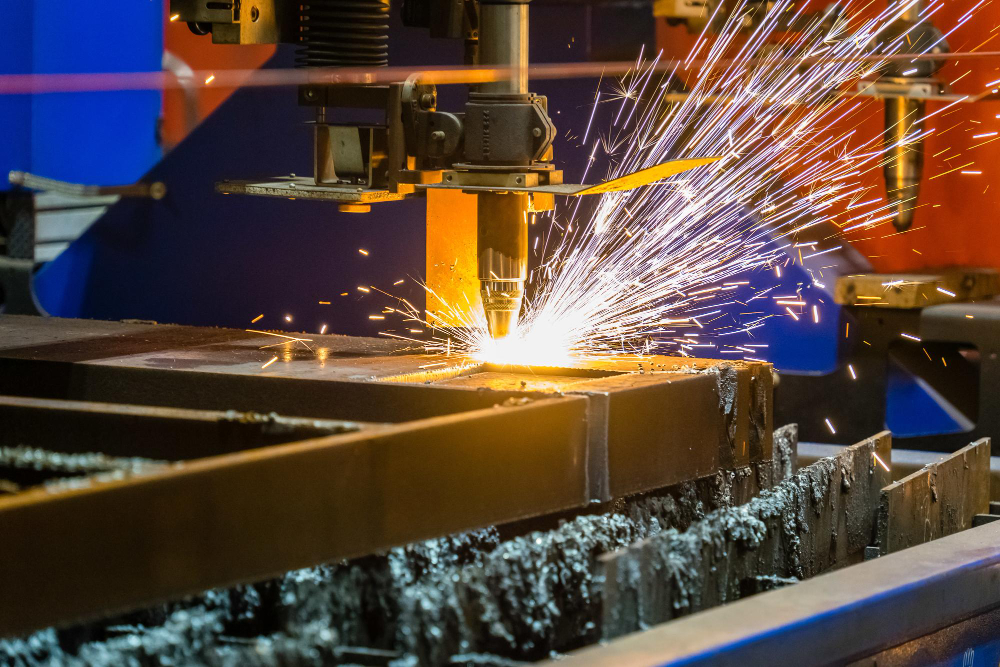
Metal industry close up of cnc plasma cutter

Plasma Cutting

Plasma Cutting uses a high-velocity jet of ionized gas to cut through electrically conductive metals with precision. It delivers fast cutting speeds, making it suitable for thick materials like steel,

60300

Laser Welding

Laser Welding uses a concentrated laser beam to create deep, narrow welds with minimal heat distortion. It offers extremely high welding speeds and is ideal for precision components

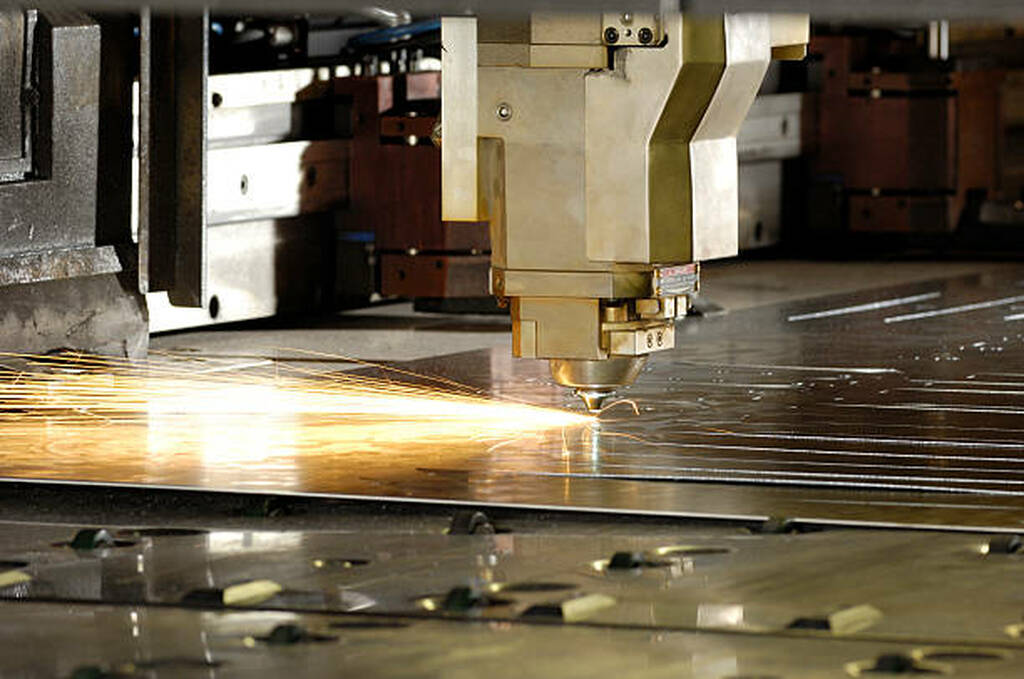
Laser Cutting

Laser Cutting uses a focused laser beam to deliver highly accurate and clean cuts on metals and non-metals. It excels in producing intricate shapes, fine details, and smooth edges with minimal heat distortion.

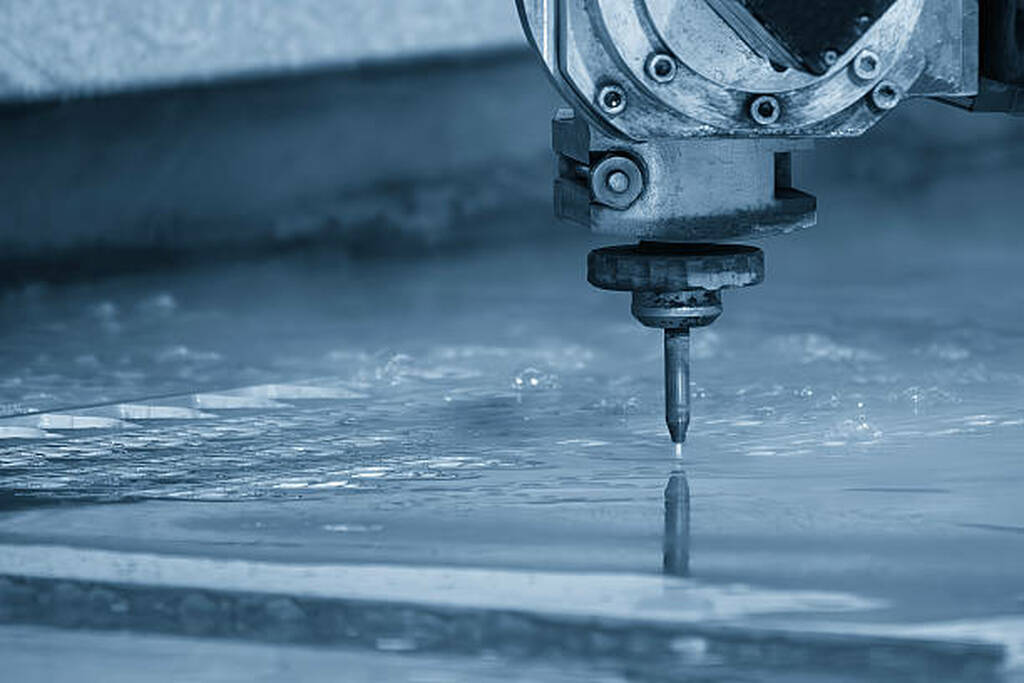
Water-Jet Cutting

Water-Jet Cutting uses high-pressure water or water mixed with abrasive particles to cut metal, stone, composites, and delicate materials. As a cold-cutting technique, it eliminates heat-affected zones

Water-Jet Cutting

Water-Jet Cutting uses high-pressure water or water mixed with abrasive particles to cut metal, stone, composites, and delicate materials. As a cold-cutting technique, it eliminates heat-affected zones and preserves material properties. It is widely used in aerospace, defense, and high-precision manufacturing. Water-jet cutting supports complex shapes with excellent edge quality and no thermal distortion. Highly versatile and environmentally friendly, it works with nearly any material.

Unleash your production potential with Mahajan Automation - Welding & Cutting Solutions (WCS).

Benefits of Welding & Cutting Automation

Enhanced precision & repeatability

Faster production and reduced cycle time

Improved workplace safety

Lower material waste

Integration with Industry 4.0 and IoT systems

Consistent Quality Across High-Volume Production

Reduced Dependence on Skilled Manual Labor

Improved workplace safety

Minimized Rework and Error Rates

Better Energy Efficiency and Resource Optimization

8153

MIG Welding (Metal Inert Gas)

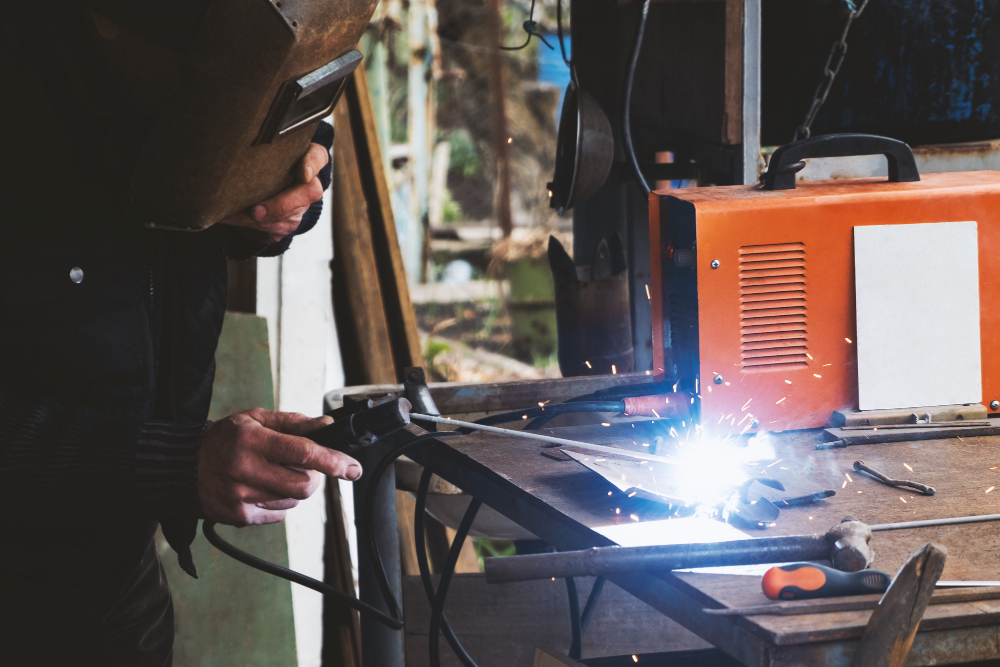
MIG Welding uses a continuously fed wire electrode and an inert shielding gas to produce stable, clean welds. It is known for its high welding speed, minimal spatter, and smooth finishes. The process is ideal for thin to medium-gauge metals, making it widely used in fabrication and automotive production. Its ease of operation and suitability for automation improve overall productivity. MIG welding ensures consistent quality and reduced post-processing time.

2554

MAG Welding (Metal Active Gas)

MAG Welding is similar to MIG but uses active gases, making it particularly effective for welding steel and structural materials. It provides deeper penetration and strong, durable weld joints for heavy-duty applications. Due to its efficiency and reliability, MAG is widely used in construction, shipbuilding, and industrial manufacturing. The process supports both manual and robotic welding systems. It offers a cost-effective solution with consistent weld performance even under demanding conditions.

8137

TIG (Tungsten Inert Gas Welding)

TIG Welding uses a non-consumable tungsten electrode to create precise and high-quality welds. It is ideal for welding stainless steel, aluminum, and thin materials where accuracy is critical. This process produces clean, aesthetic welds with no spatter, making it preferred in aerospace, automotive, and precision fabrication. TIG allows full control over heat input and weld pool for superior craftsmanship. Although slower than MIG or MAG, it delivers unmatched weld quality.

60300

Laser Welding

Laser Welding uses a concentrated laser beam to create deep, narrow welds with minimal heat distortion. It offers extremely high welding speeds and is ideal for precision components and fine assemblies. The process is widely used in electronics, automotive battery manufacturing, and medical device production. Due to its low heat input, materials maintain their structural integrity and finish. Laser welding is easily automated and delivers consistent, high-accuracy results.

Spot (Resistance) Welding

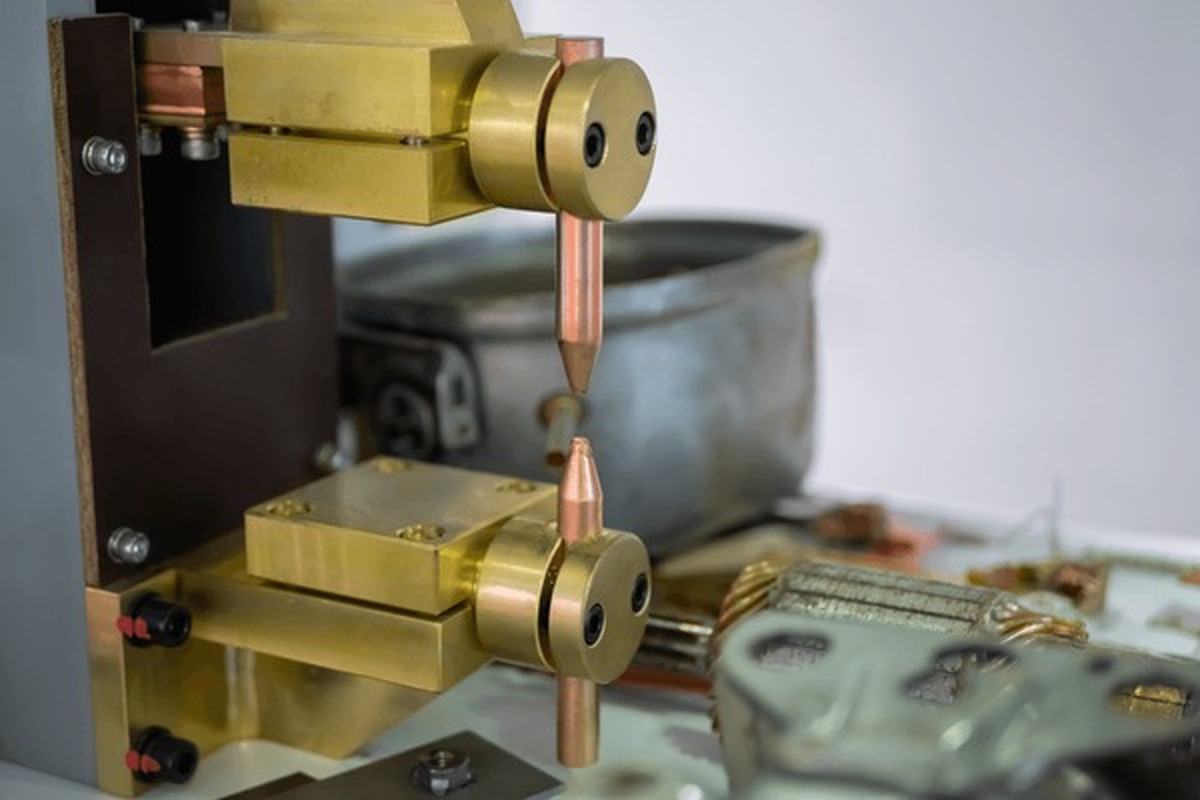
Spot Welding joins two metal sheets using the heat generated from electrical resistance between electrodes. It is a fast and efficient method, commonly used in automotive body manufacturing and mass production lines. The process requires no filler material and produces strong weld points for sheet metal assembly. It ensures uniform results with minimal operator skill. Spot welding is reliable, cost-effective, and ideal for repetitive high-volume operations.

Metal industry close up of cnc plasma cutter

Plasma Cutting

Plasma Cutting uses a high-velocity jet of ionized gas to cut through electrically conductive metals with precision. It delivers fast cutting speeds, making it suitable for thick materials like steel, stainless steel, and aluminum. The process offers smooth edges and minimal distortion compared to mechanical cutting methods. Plasma cutting is widely used in fabrication, heavy engineering, and repair workshops. Advanced CNC plasma systems provide excellent accuracy for complex shapes.

Laser Cutting

Laser Cutting uses a focused laser beam to deliver highly accurate and clean cuts on metals and non-metals. It excels in producing intricate shapes, fine details, and smooth edges with minimal heat distortion. The process is ideal for industries requiring high precision, such as aerospace, electronics, and engineering. Laser cutting supports automated nesting for material optimization. It ensures faster production cycles, reduced waste, and superior finish quality.

Water-Jet Cutting

Water-Jet Cutting uses high-pressure water or water mixed with abrasive particles to cut metal, stone, composites, and delicate materials. As a cold-cutting technique, it eliminates heat-affected zones and preserves material properties. It is widely used in aerospace, defense, and high-precision manufacturing. Water-jet cutting supports complex shapes with excellent edge quality and no thermal distortion. Highly versatile and environmentally friendly, it works with nearly any material.

Modern Welding & Cutting Technologies

MIG Welding (Metal Inert Gas)

MIG Welding (Metal Inert Gas)

MIG Welding uses a continuously fed wire electrode and an inert shielding gas to produce stable, clean welds. It is known for its high welding speed, minimal spatter, and smooth finishes. The process is ideal for thin to medium-gauge metals, making it widely used in fabrication and automotive production. Its ease of operation and suitability for automation improve overall productivity. MIG welding ensures consistent quality and reduced post-processing time.

MAG Welding (Metal Active Gas)

MAG Welding (Metal Active Gas)

MAG Welding is similar to MIG but uses active gases, making it particularly effective for welding steel and structural materials. It provides deeper penetration and strong, durable weld joints for heavy-duty applications. Due to its efficiency and reliability, MAG is widely used in construction, shipbuilding, and industrial manufacturing. The process supports both manual and robotic welding systems. It offers a cost-effective solution with consistent weld performance even under demanding conditions.

TIG (Tungsten Inert Gas) Welding

TIG (Tungsten Inert Gas) Welding

TIG Welding uses a non-consumable tungsten electrode to create precise and high-quality welds. It is ideal for welding stainless steel, aluminum, and thin materials where accuracy is critical. This process produces clean, aesthetic welds with no spatter, making it preferred in aerospace, automotive, and precision fabrication. TIG allows full control over heat input and weld pool for superior craftsmanship. Although slower than MIG or MAG, it delivers unmatched weld quality.

Laser Welding

Laser Welding

Laser Welding uses a concentrated laser beam to create deep, narrow welds with minimal heat distortion. It offers extremely high welding speeds and is ideal for precision components and fine assemblies. The process is widely used in electronics, automotive battery manufacturing, and medical device production. Due to its low heat input, materials maintain their structural integrity and finish. Laser welding is easily automated and delivers consistent, high-accuracy results.

Spot (Resistance) Welding

Spot (Resistance) Welding

Spot Welding joins two metal sheets using the heat generated from electrical resistance between electrodes. It is a fast and efficient method, commonly used in automotive body manufacturing and mass production lines. The process requires no filler material and produces strong weld points for sheet metal assembly. It ensures uniform results with minimal operator skill. Spot welding is reliable, cost-effective, and ideal for repetitive high-volume operations.

Plasma Cutting

Plasma Cutting

Plasma Cutting uses a high-velocity jet of ionized gas to cut through electrically conductive metals with precision. It delivers fast cutting speeds, making it suitable for thick materials like steel, stainless steel, and aluminum. The process offers smooth edges and minimal distortion compared to mechanical cutting methods. Plasma cutting is widely used in fabrication, heavy engineering, and repair workshops. Advanced CNC plasma systems provide excellent accuracy for complex shapes.

Laser Cutting

Laser Cutting

Laser Cutting uses a focused laser beam to deliver highly accurate and clean cuts on metals and non-metals. It excels in producing intricate shapes, fine details, and smooth edges with minimal heat distortion. The process is ideal for industries requiring high precision, such as aerospace, electronics, and engineering. Laser cutting supports automated nesting for material optimization. It ensures faster production cycles, reduced waste, and superior finish quality.

Water-Jet Cutting

Water-Jet Cutting

Water-Jet Cutting uses high-pressure water or water mixed with abrasive particles to cut metal, stone, composites, and delicate materials. As a cold-cutting technique, it eliminates heat-affected zones and preserves material properties. It is widely used in aerospace, defense, and high-precision manufacturing. Water-jet cutting supports complex shapes with excellent edge quality and no thermal distortion. Highly versatile and environmentally friendly, it works with nearly any material.

Scroll to Top

IMTEX 2026

Mahajan Automation
from - 21 to 25 January
Hall no. - 5
Stall no. - C144
Days
Hours
Minutes
Seconds