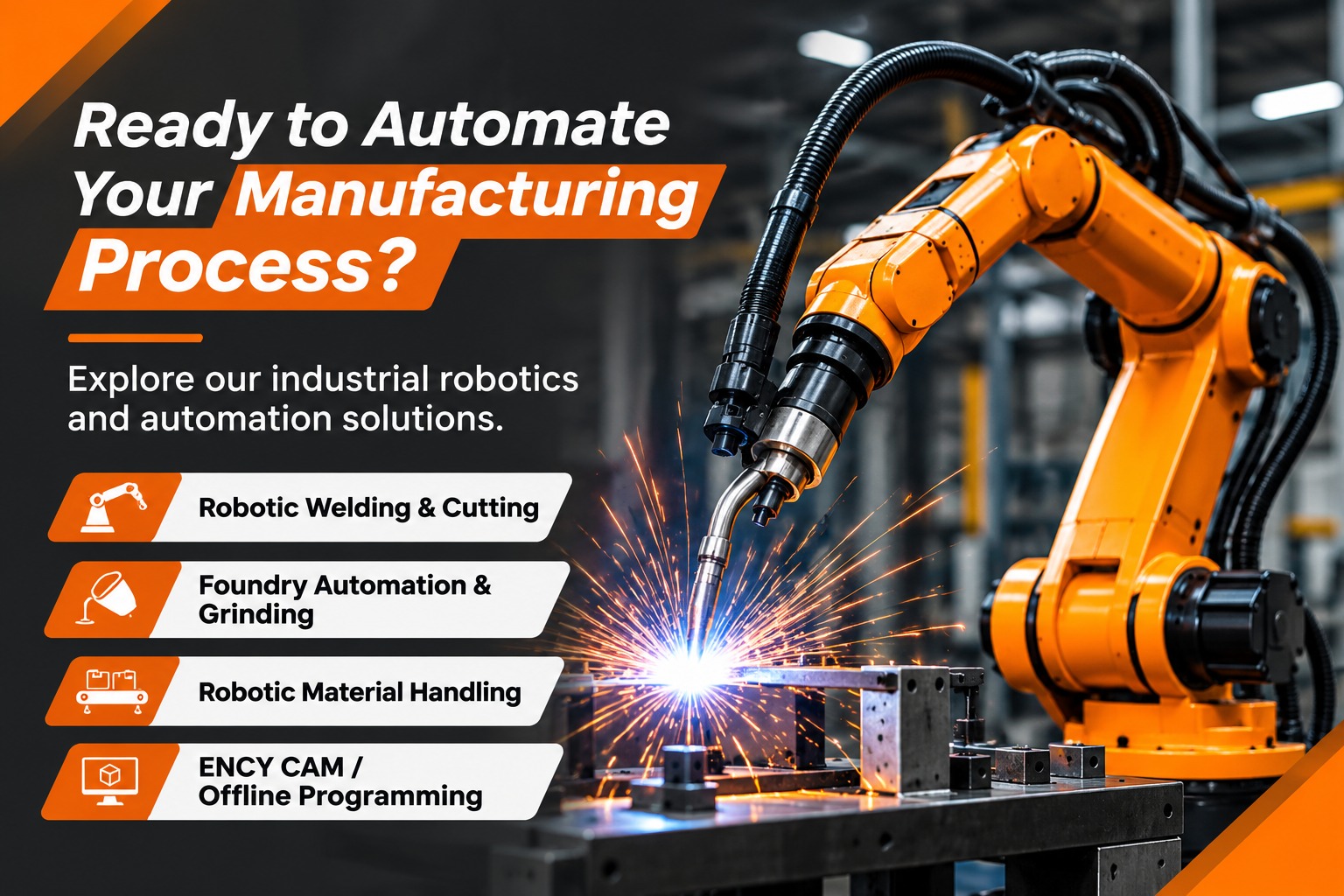
Manufacturing environments worldwide are undergoing a monumental shift. As global competition intensifies, supply chains grow more complex, and labor shortages persist, factories are under immense pressure to modernize. At the heart of this industrial renaissance are Robotic Material Handling Systems. These advanced technological marvels have transcended the realm of science fiction to become the backbone of efficient, scalable, and safe factory floors. By automating the transport, sorting, lifting, and placement of raw materials, components, and finished goods, smart factories are achieving unprecedented levels of operational excellence.
What Are Robotic Material Handling Systems?
To understand the scope of modern industrial transformation, one must first define the core mechanics. Robotic Material Handling Systems refer to the integration of automated robotic arms, guided vehicles, and specialized end-of-arm tooling designed to manage materials throughout a production or warehouse facility. Unlike traditional, rigid automation setups, contemporary systems leverage cutting-edge programming, adaptive sensors, and artificial intelligence to handle diverse parts with remarkable dexterity.
Through various Industrial Robot Applications, these systems eliminate the repetitive manual lifting and manual transport tasks that traditionally bottleneck production lines. Whether dealing with heavy automotive castings, delicate electronic components, or high-speed consumer packaged goods, robotic solutions ensure that the right materials arrive at the right place, precisely when needed, without human fatigue or error.
The Evolution of Industrial Material Handling Automation
The journey toward comprehensive Industrial Material Handling Automation has been evolutionary. Decades ago, material movement relied heavily on manual labor, forklifts, overhead cranes, and basic gravity conveyors. While these methods served early industrial eras, they introduced significant bottlenecks: high rates of workplace injuries, inconsistent cycle times, and susceptibility to human error.
The introduction of basic programmable logic controllers (PLCs) and fixed automation marked the first phase of modernization. However, these fixed systems lacked flexibility; changing a product line meant expensive retooling and lengthy downtime. Today’s advanced robotics ecosystem solves this challenge. By combining adaptability with high payload capacities and rapid deployment, modern automation allows manufacturers to pivot swiftly in response to market demands, fulfilling the promises of agility and responsiveness.
Key Benefits of Robotic Material Handling Systems in Modern Factories
Integrating advanced automation into shop floors yields compounding benefits across operational metrics. Let us examine the core pillars driving this transformation:
1. Achieving Superior Factory Productivity Improvement
Manual material transport is inherently slow and subject to worker fatigue. Human operators need breaks, shifts change, and manual speeds fluctuate over long hours. Conversely, robotic units operate continuously at consistent, optimized speeds. This reliability directly translates to Factory Productivity Improvement, slashing cycle times and maximizing throughput.
2. Unmatched Precision and Quality Control
In industries ranging from aerospace to medical devices, placement accuracy is critical. Even a millimeter of misalignment during assembly or loading can result in defective batches and costly scrap. Robotic solutions utilize high-resolution encoders, servo motors, and feedback loops to achieve millimeter and sub-millimeter precision. This consistency protects product integrity and minimizes costly rework.
3. Transforming Workplace Safety and Reducing Ergonomic Hazards
Heavy lifting, awkward postures, and repetitive motion tasks have historically made material handling one of the most hazardous segments of industrial work. Implementing automated systems removes workers from hazardous environments—such as hot foundry floors, heavy press shops, and toxic chemical zones. By delegating strenuous lifting to machines, companies dramatically lower musculoskeletal injury rates, workers’ compensation claims, and absenteeism.
Essential Technologies Behind Robotic Material Handling Solutions
The effectiveness of modern Robotic Material Handling Solutions relies on a harmonious ecosystem of hardware and software components working in tandem:
- Advanced Grippers and End-Effectors: Vacuum cups, magnetic grippers, pneumatic fingers, and adaptive multi-jaw claws allow robots to securely handle objects of varying shapes, weights, and surface textures.
- Machine Vision Systems: Integrated cameras and laser scanners give robots “eyes,” allowing them to identify random part orientations, perform quality checks on the fly, and execute complex bin-picking operations.
- Safety Interlocks and Collaborative Sensors: Modern deployment adheres to strict safety standards, such as those outlined by the International Organization for Standardization (ISO), ensuring safe human-robot collaboration where required.
Core Applications: From Robotic Pick and Place Systems to Automated Loading and Unloading
Robotic automation adapts to an extensive range of manufacturing sub-processes. Two of the most impactful applications include:
Robotic Pick and Place Systems
High-speed sorting, packaging, and sorting tasks are heavily optimized by Robotic Pick and Place Systems. These systems can track items moving on high-speed conveyor belts, identify defects or sorting categories using vision systems, and accurately place items into designated packaging or assembly nests at rates exceeding human capability.
Automated Loading and Unloading
Feeding raw blanks into CNC machines, injection molders, or stamping presses traditionally exposed workers to pinch points and repetitive strain. Automated Loading and Unloading solutions streamline machine tending. Robots fetch raw components, load them securely into machine fixtures, retrieve finished parts, and transfer them to the next production stage without missing a beat.
How Industrial Robotics Integration Drives Smart Manufacturing Solutions
As manufacturers embrace Industry 4.0, standalone machines are no longer enough. Seamless Industrial Robotics Integration connects physical material movement with digital enterprise resource planning (ERP) and manufacturing execution systems (MES).
These interconnected setups form the foundation of true Smart Manufacturing Solutions. Real-time data collection allows plant managers to monitor robot health, track material flow bottlenecks, schedule predictive maintenance before failures occur, and analyze overall equipment effectiveness (OEE). For deeper insights into industrial automation trends, industry resources like Automation.com provide extensive analysis on digital transformation and smart factory ecosystems.
Overcoming Implementation Challenges and Best Practices
While the advantages are undeniable, transitioning to automated material handling requires careful strategic planning. Successful deployment hinges on several key practices:
- Comprehensive Workflow Audit: Before purchasing hardware, analyze your facility’s current material flow, payload requirements, and cycle time constraints to identify true automation bottlenecks.
- Modular and Scalable Design: Choose systems that can be easily reprogrammed or redeployed if product lines change, protecting your long-term capital investment.
- Operator Training and Change Management: Upskilling existing staff to oversee, program, and maintain robotic cells fosters internal ownership and ensures smooth day-to-day operations.
Elevating Plant Performance with Mahajan Automation
Transitioning your factory floor toward world-class efficiency requires a trusted partner with deep engineering expertise and proven industry experience. This is where Mahajan Automation stands out as an industry leader. Specializing in comprehensive turnkey robotics projects, Mahajan Automation delivers robust, high-performance solutions tailored to your unique manufacturing challenges.
Whether you need advanced robotic welding, cutting, foundry automation, or specialized material handling cells, their expert engineering team handles everything from initial concept design to final on-site integration. To explore their complete range of services, capabilities, and customized offerings, visit the Mahajan Automation About Us Page.
Ready to eliminate bottlenecks, boost throughput, and safeguard your workforce? Take the next step toward smart manufacturing by reaching out directly through the Mahajan Automation Contact Page to schedule a consultation with their automation specialists.
Frequently Asked Questions (FAQs)
1. What types of industries benefit the most from robotic material handling?
Industries with high-volume, repetitive, or heavy lifting requirements benefit immensely. This includes automotive manufacturing, FMCG and food packaging, pharmaceuticals, metal fabrication, warehousing, and foundry operations.
2. Are robotic systems difficult to integrate into existing production lines?
When working with an experienced system integrator like Mahajan Automation, integration is structured to minimize downtime. Standardized robotic cells and modular designs allow for quick installation and seamless interfacing with existing machinery and conveyors.
3. How do robotic systems improve workplace safety?
They take over heavy lifting, high-temperature part transfer, and hazardous machine-tending tasks, thereby keeping human workers away from pinch points, heavy loads, and repetitive strain injuries.
4. Can robotic material handling systems handle parts of varying sizes and shapes?
Yes. Modern systems equipped with advanced vision sensors, adaptive grippers, and flexible programming can easily adapt to mixed-batch production runs and handle parts of varying geometries.